

Who needs a Pantone chart when November in New York puts on a show like this? Burgundy, crimson, ochre, deep green and unexpected shades of blue. Nature has already done the difficult part. All we have to do is bring it to the table.
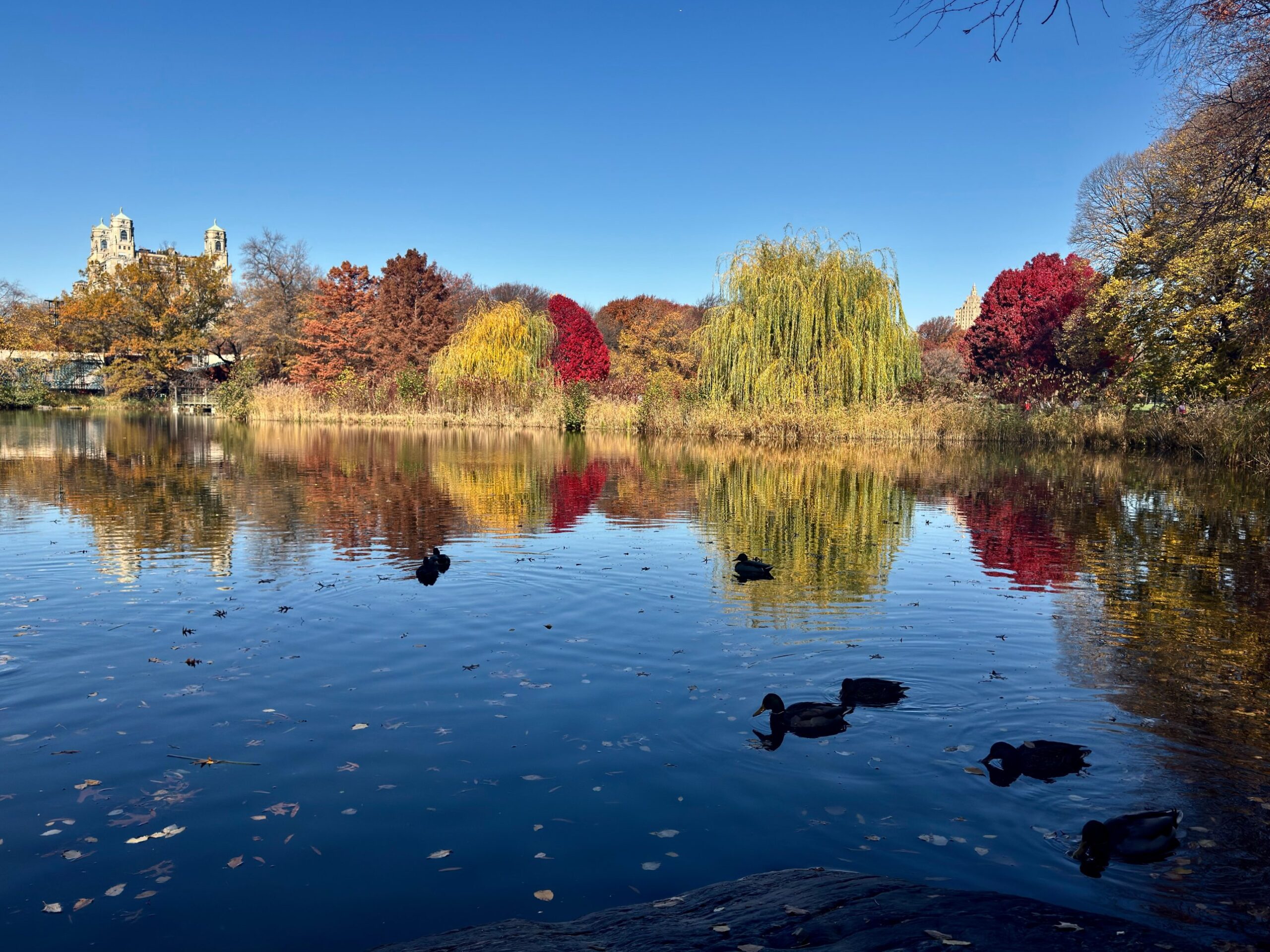
My palette started in Central Park. I photographed a maple beside the path and kept going back to the picture. Against a cloudless sky, the red is almost electric. Under it, the ground is covered in rust and blush, as if someone had dropped a bolt of silk. A short walk away, a pond doubles everything. Willow gold, copper and one tree in pure crimson all float on petrol blue. I have seen hotel lobbies with less conviction.
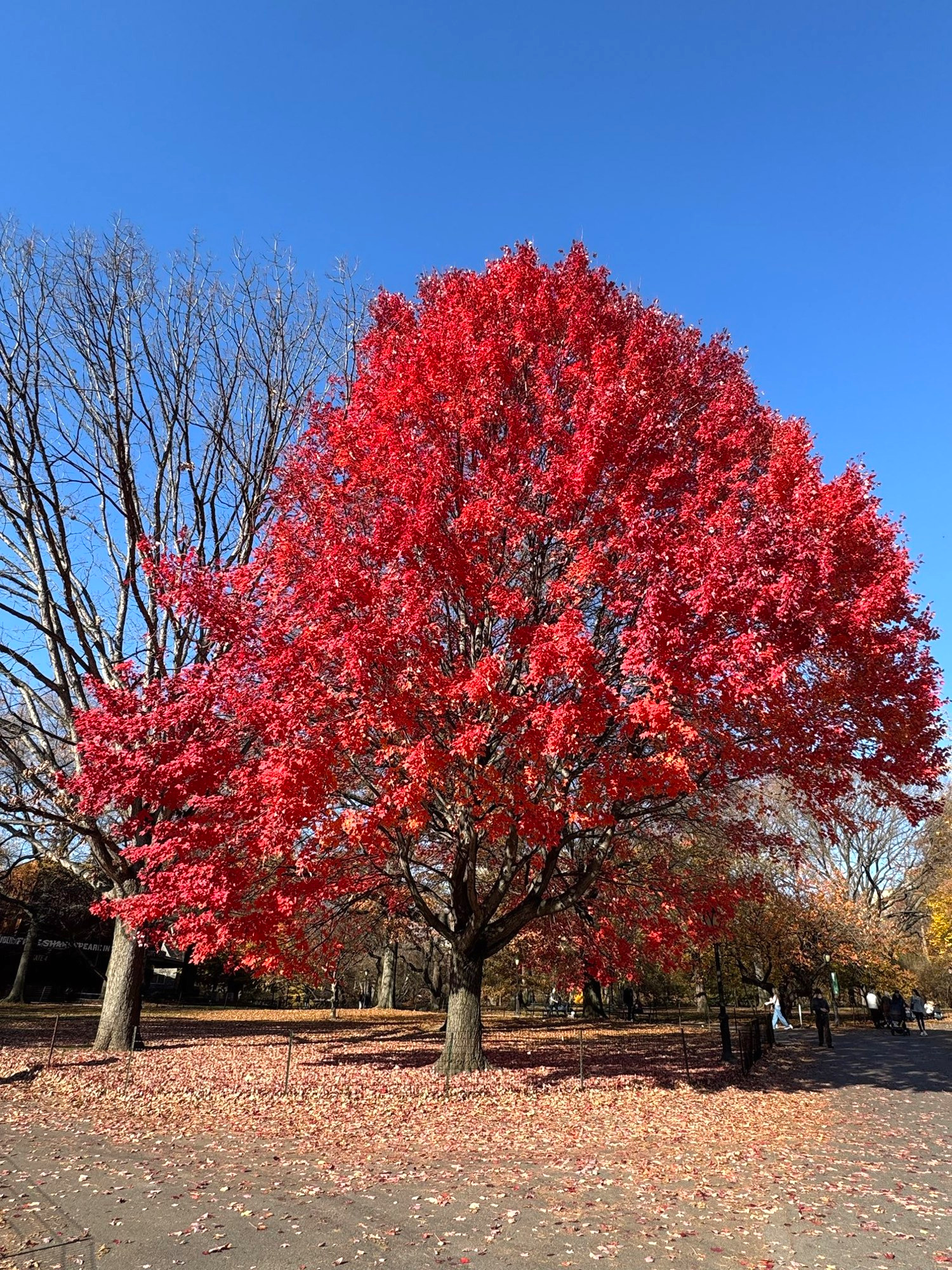
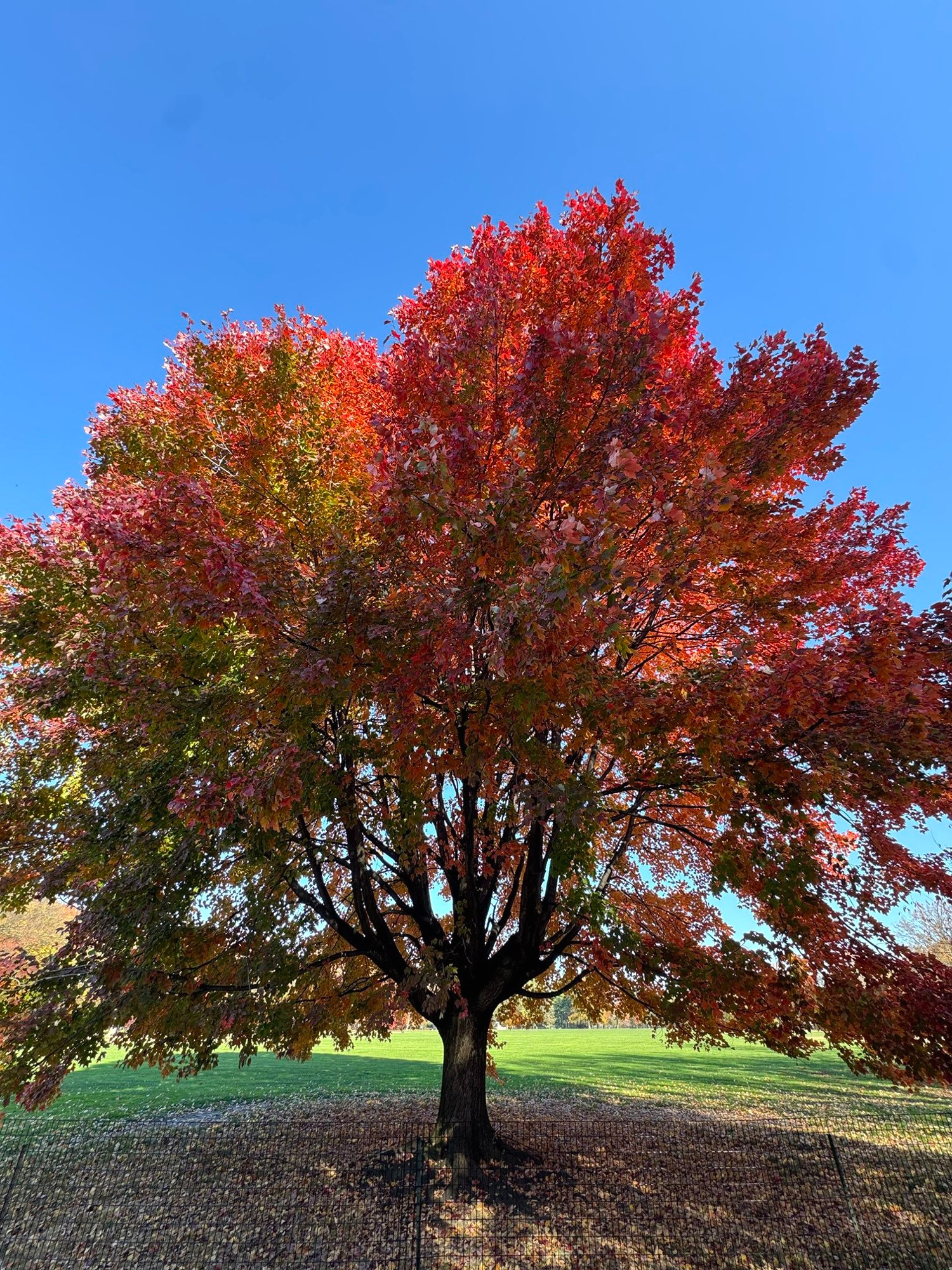
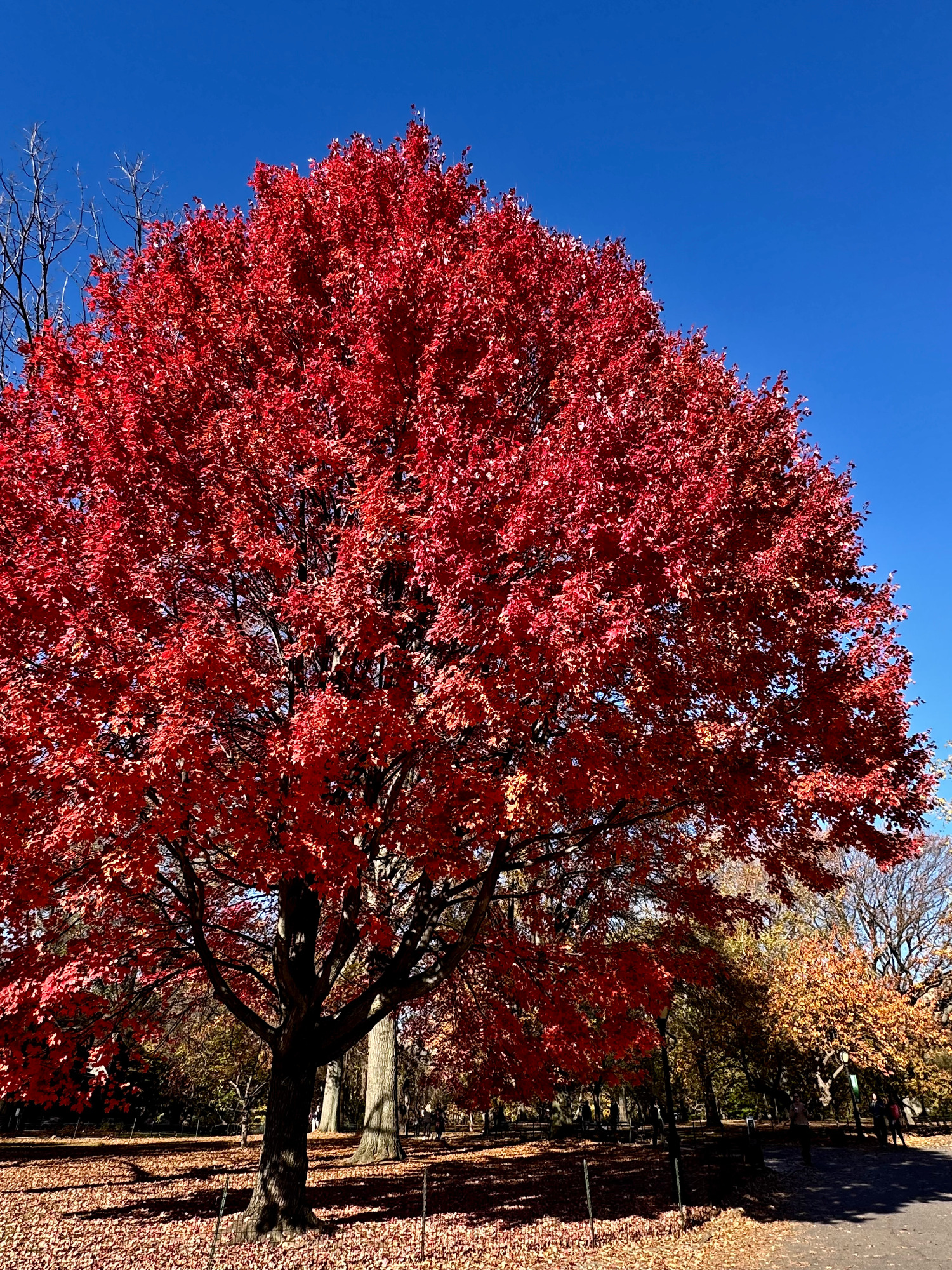
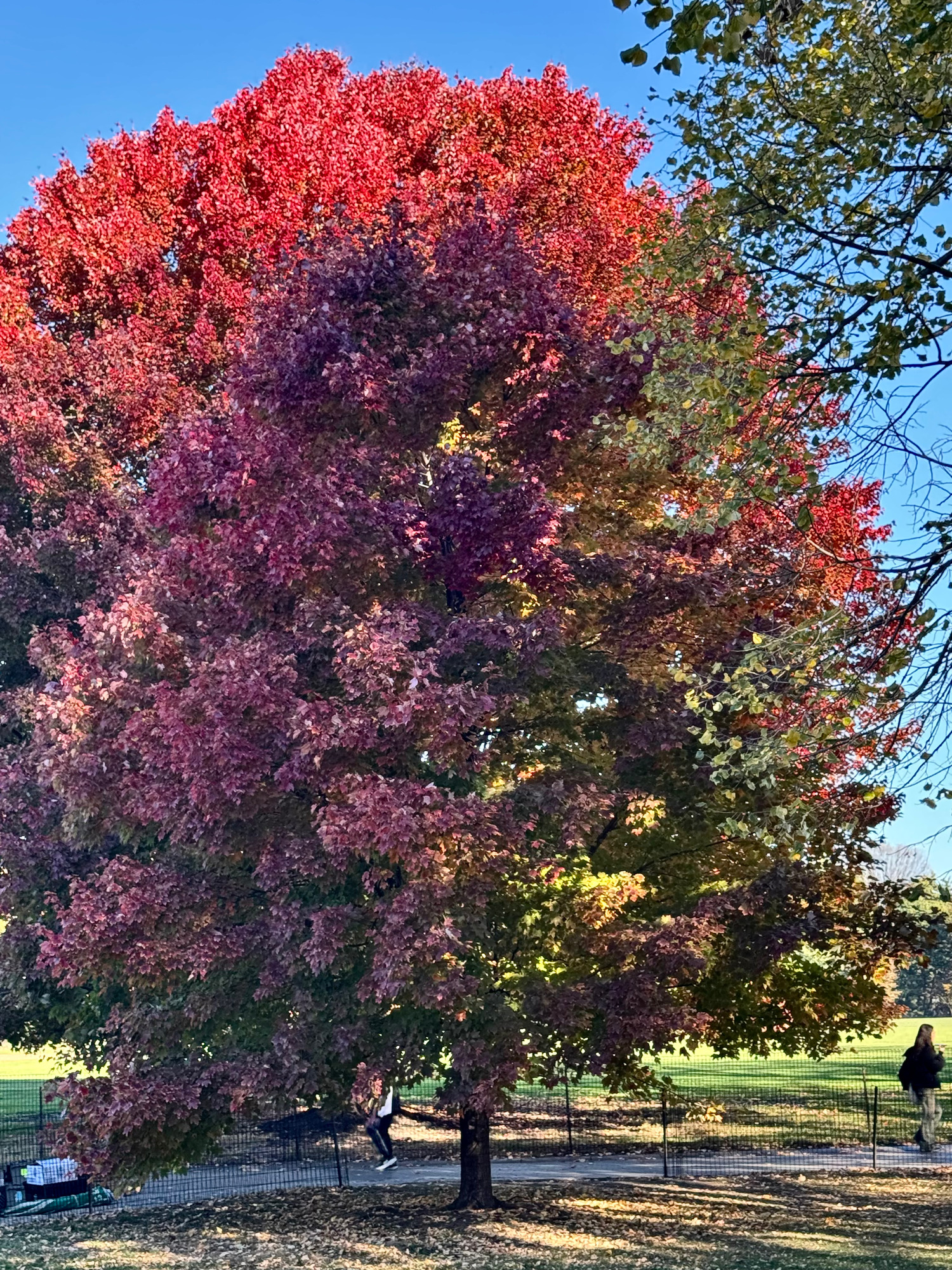
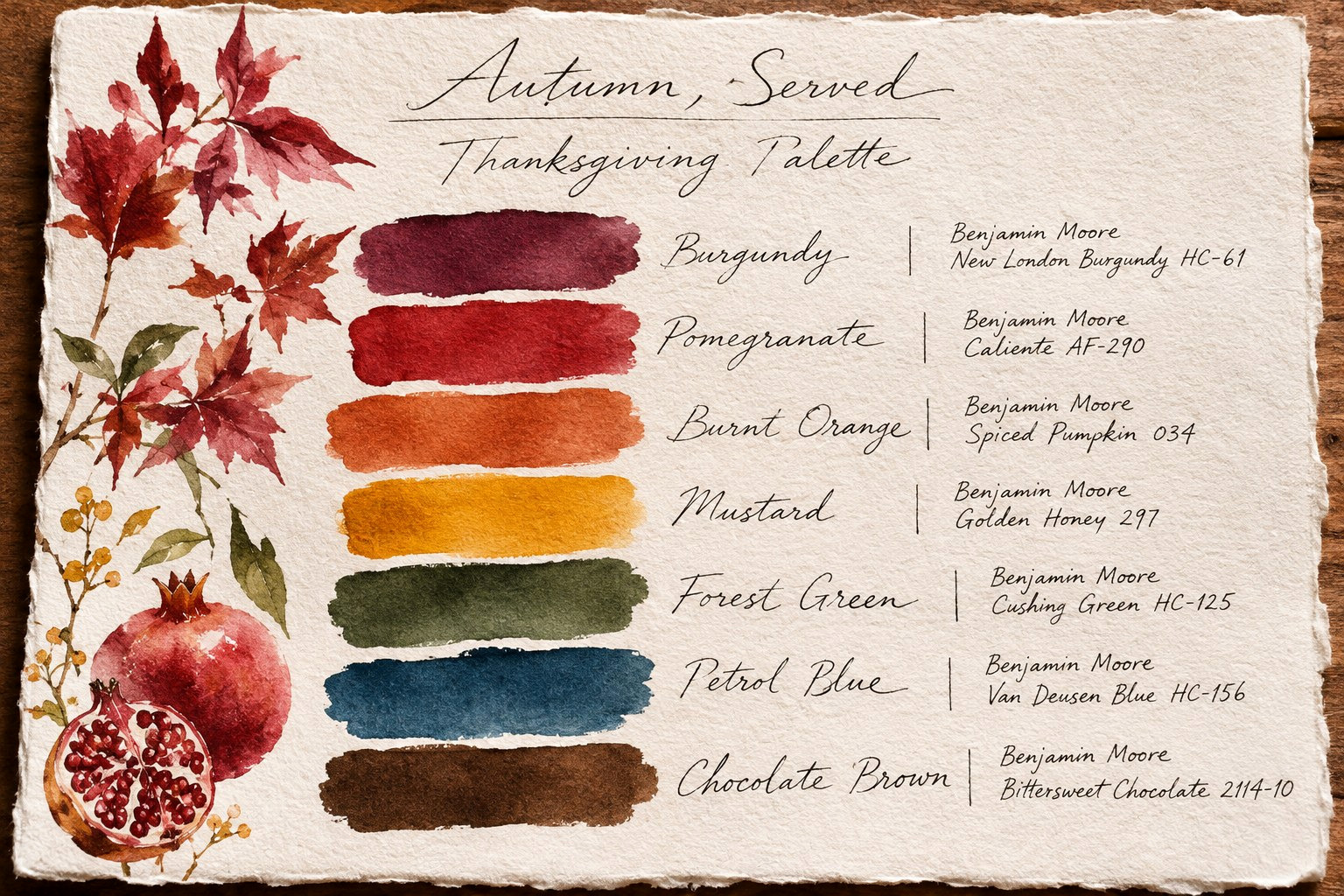
At Studio Joelle, every project starts on paper. The screen comes later. For this table, the photographs became seven colors, each one named by hand.
Burgundy, for depth. Pomegranate, for appetite. Burnt orange, for warmth. Mustard, for light. Forest green, to calm everyone down. Petrol blue, the surprise guest. Chocolate brown, the ground that holds it all together.
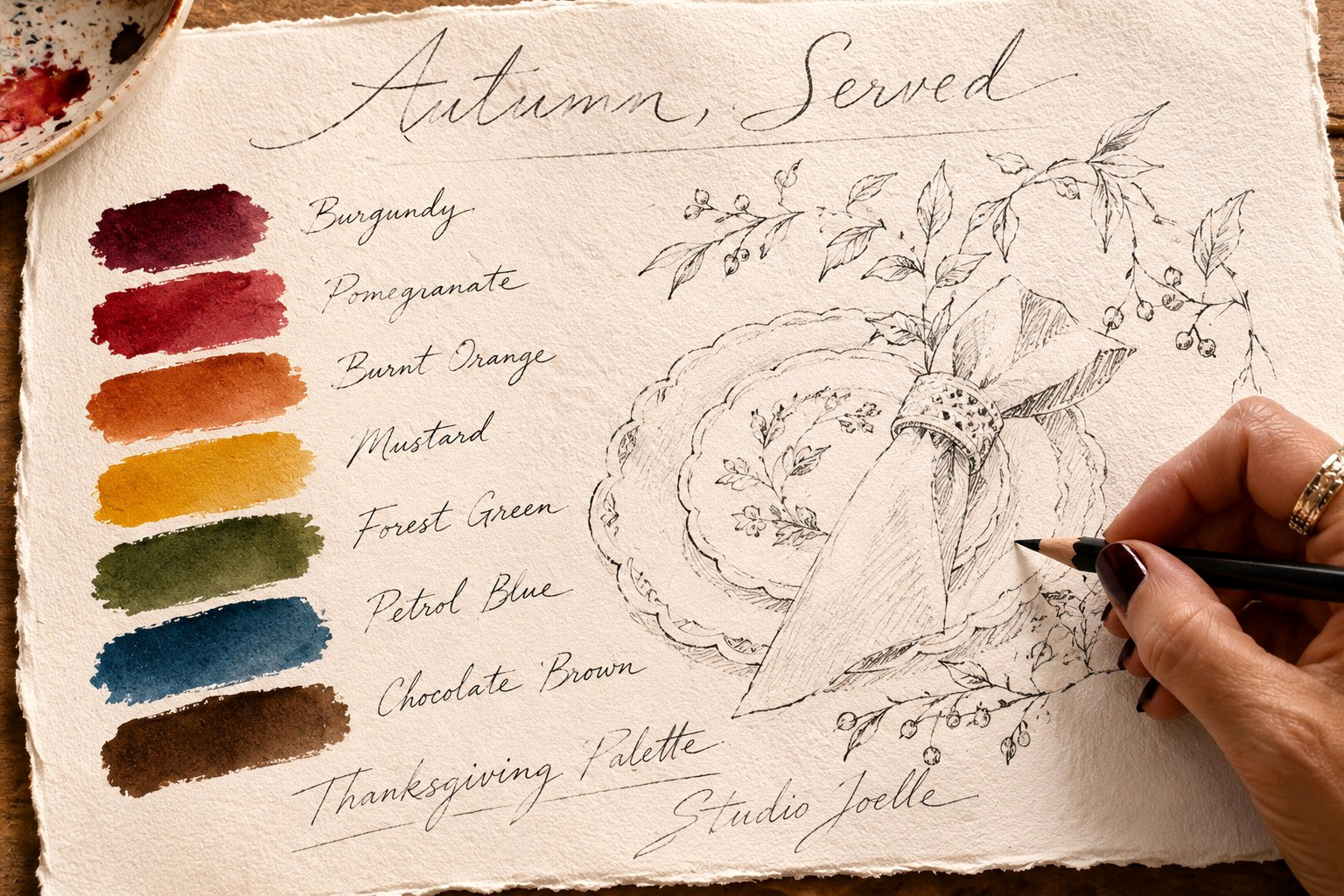
A palette should travel. Each of the seven found its Benjamin Moore twin, should the table seduce you into repainting the dining room. Consider yourself warned.
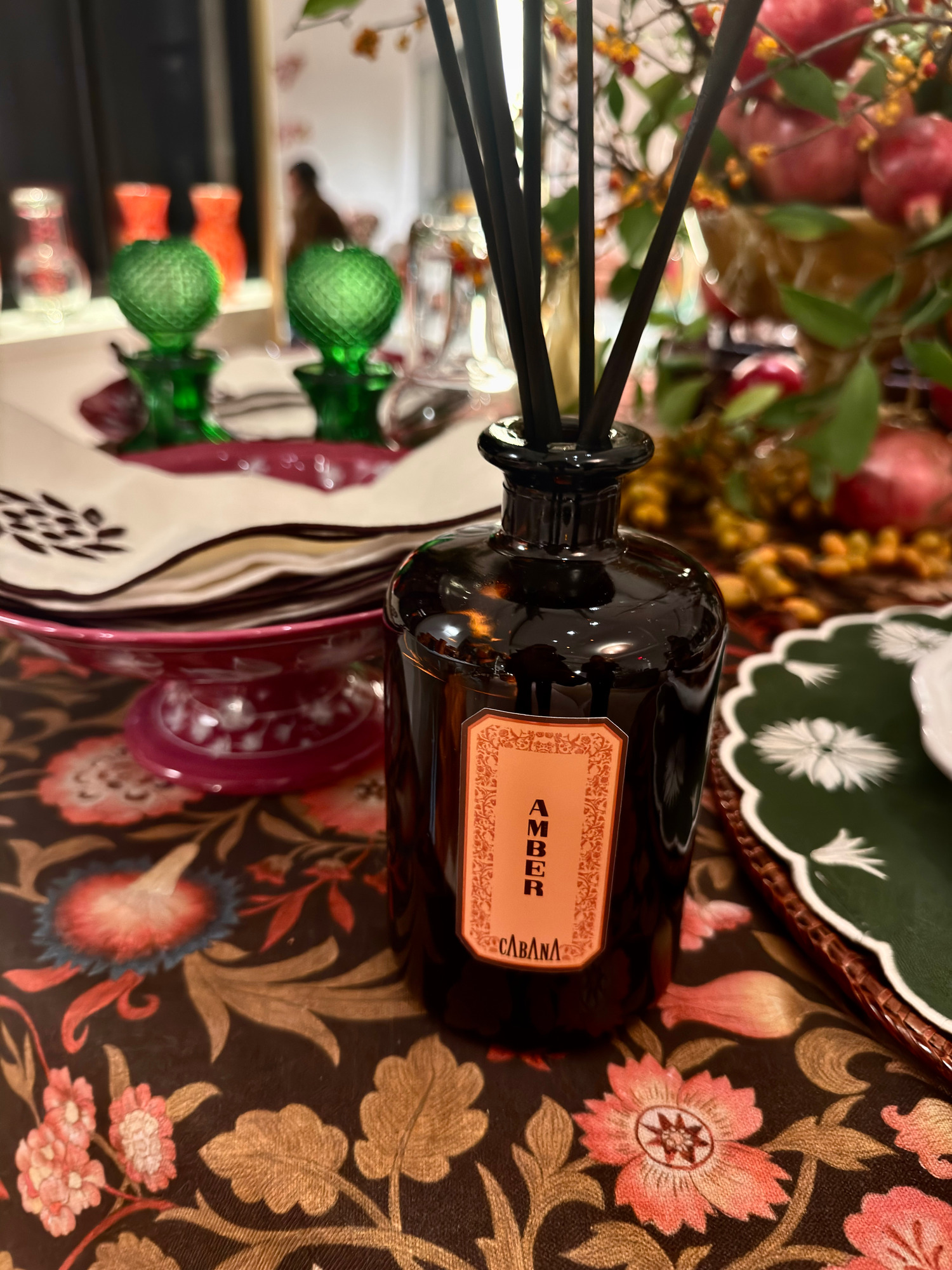
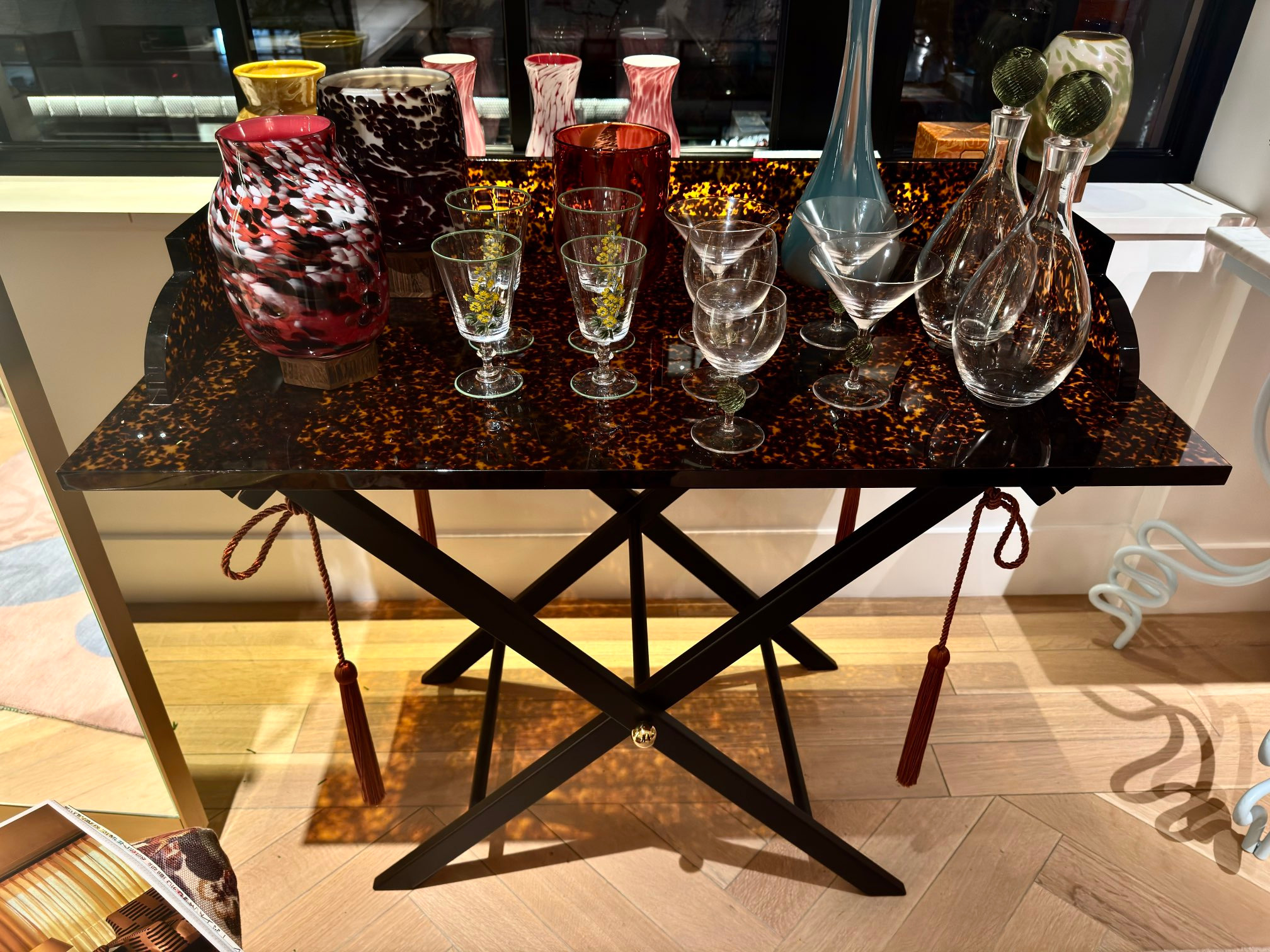
I photographed these tables at Cabana’s New York Holiday Pop-Up, hosted at the Carolina Herrera boutique at 954 Madison Avenue. Cabana, the magazine Martina Mondadori founded, is a friend of Joelle Magazine. We share a belief that a room, or a table, should look collected over a lifetime, not bought in an afternoon.
What I love about Cabana is that it never apologizes for pattern. Every object has a story, and every story is invited to the same dinner. A plate from Florence sits on a cloth printed in India, beside glass that could be a century old or made last spring. Nobody asks for papers at the door.
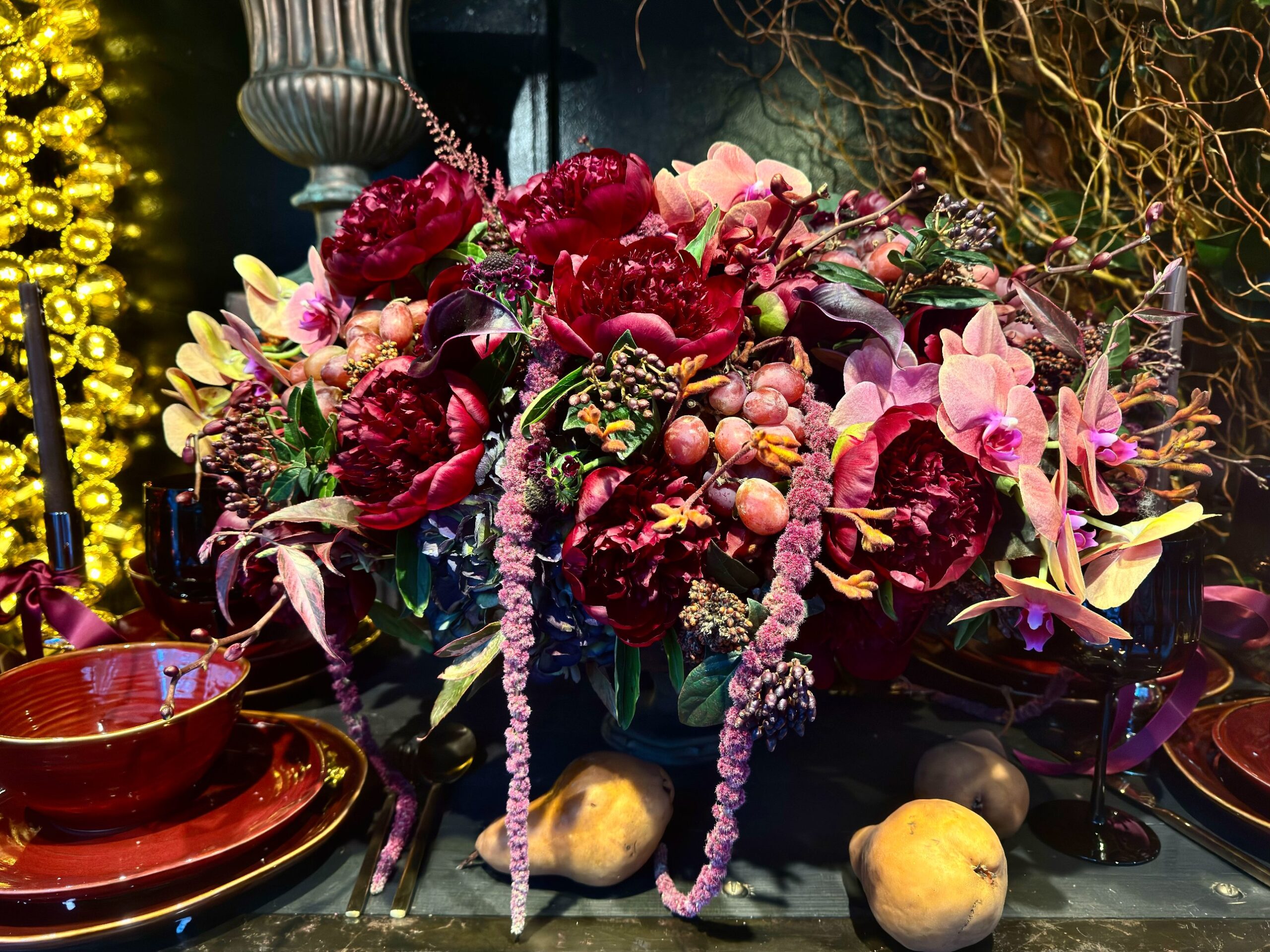
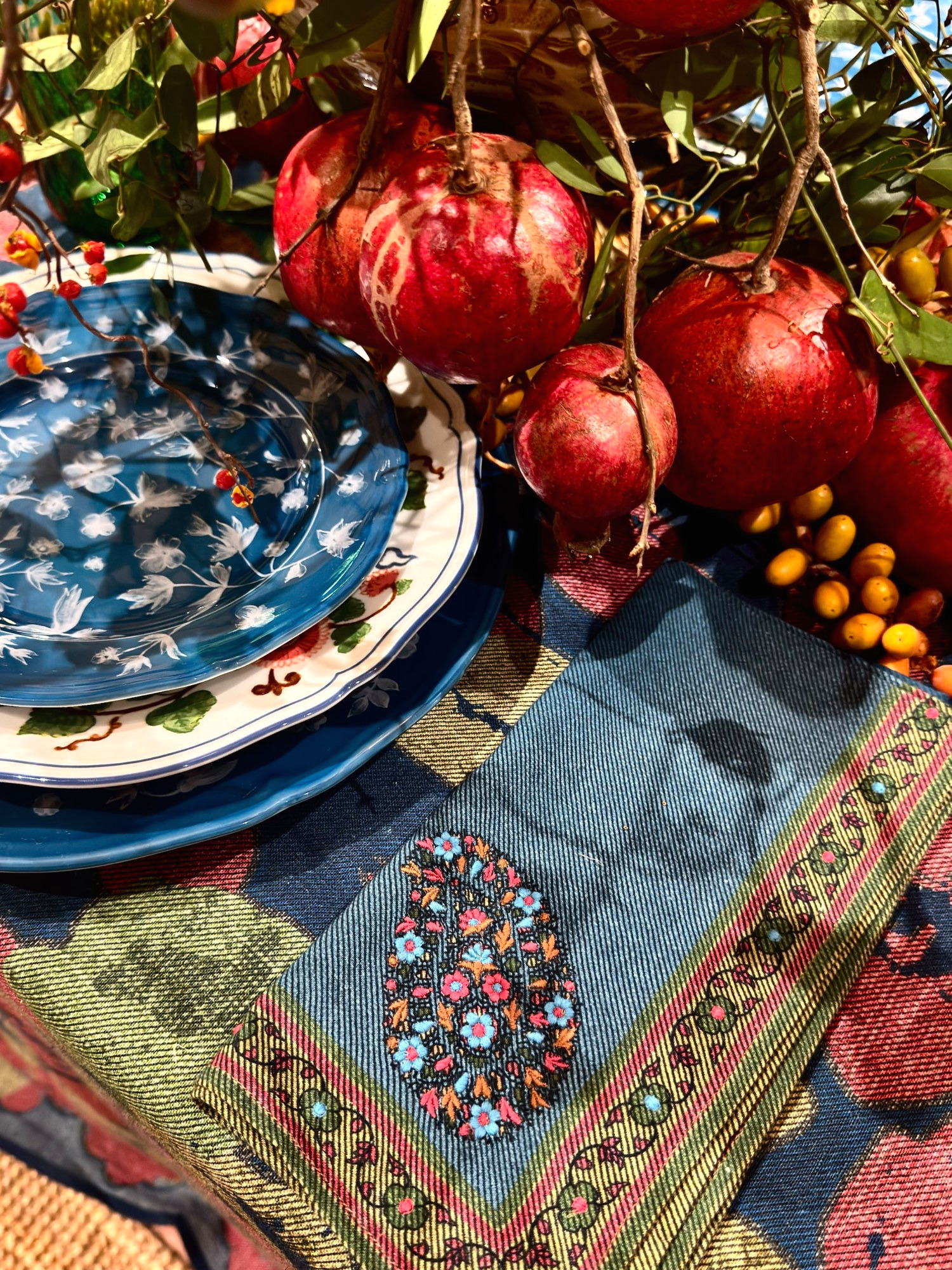
I have nothing against pumpkins. I just think they’ve had enough attention. For this table I reached for pomegranates. They carry the deep red of the maple, along with a sense of harvest that many cultures share. Piled at the center with leafy branches, bittersweet berries and clusters of fresh dates, they look gathered, not arranged.
Height matters too. Let the branches climb and spill over. A good centerpiece looks like it grew there overnight. If a guest has to lean slightly to see the person opposite, that’s fine. It gives them something to talk about.
The large arrangement came from Plaza Flowers on Lexington Avenue. I treat a bouquet the way a chef treats a recipe. Take it apart and you understand it.
The lesson is proportion. One dominant flower, a few supporting voices, and enough greenery to let everything breathe. Too many stars and nobody shines.
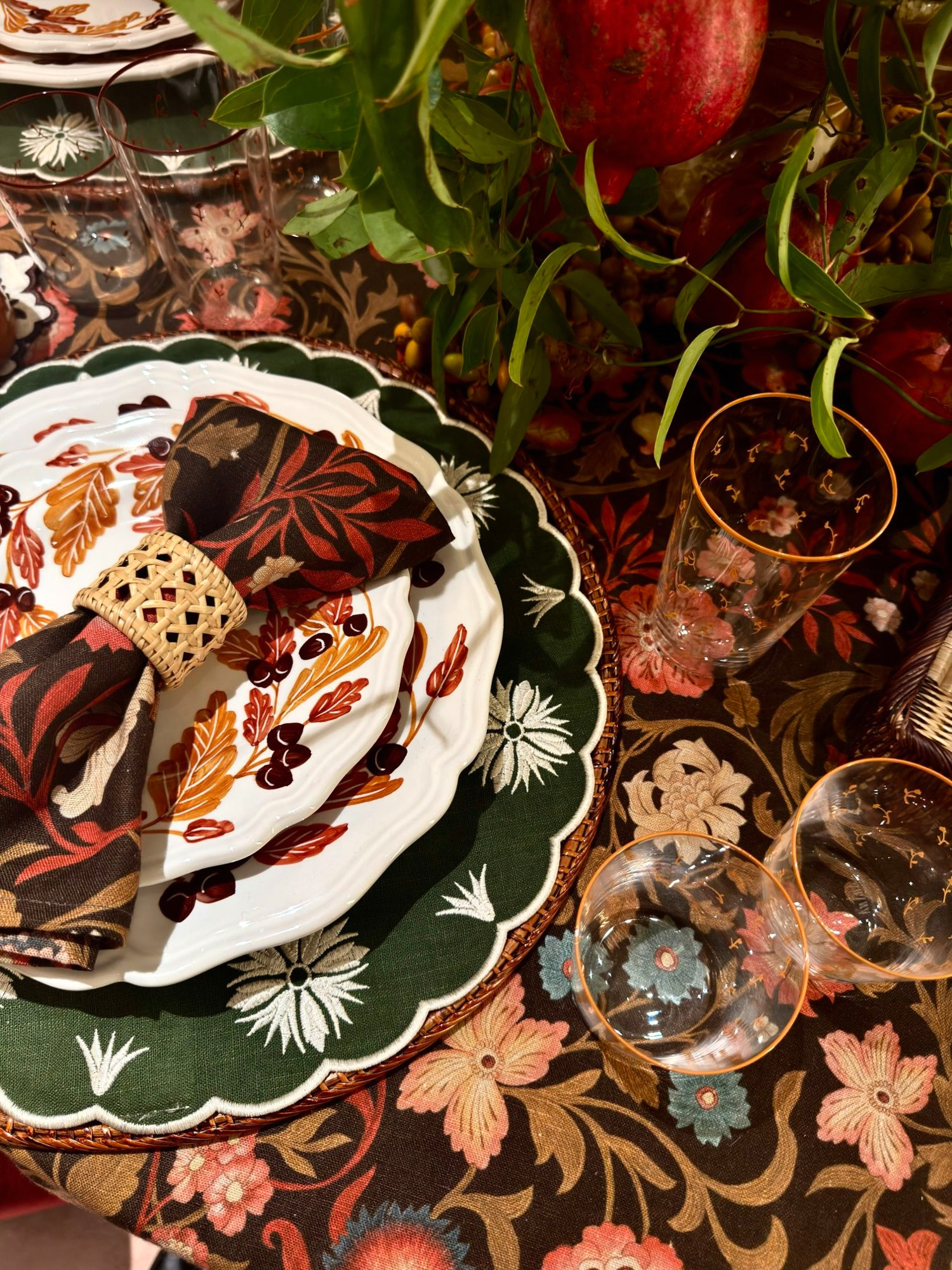
Here is where most people lose their nerve, and where the fun begins. The base is a D’Ascoli linen tablecloth with faded florals on a chocolate ground. D’Ascoli designs its linens to look like heirlooms, so a new cloth arrives already looking as if it has hosted a few decades of dinners.
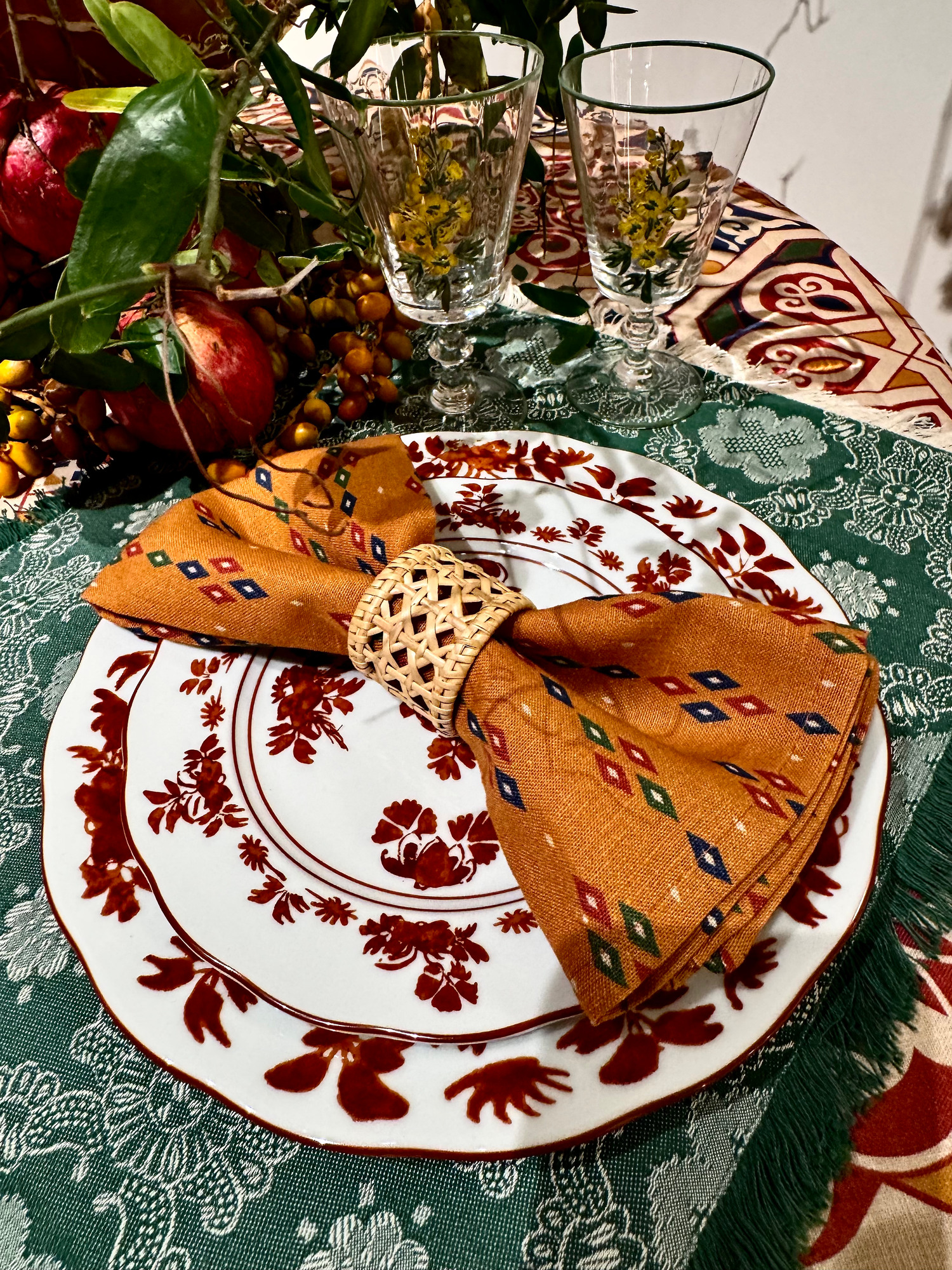
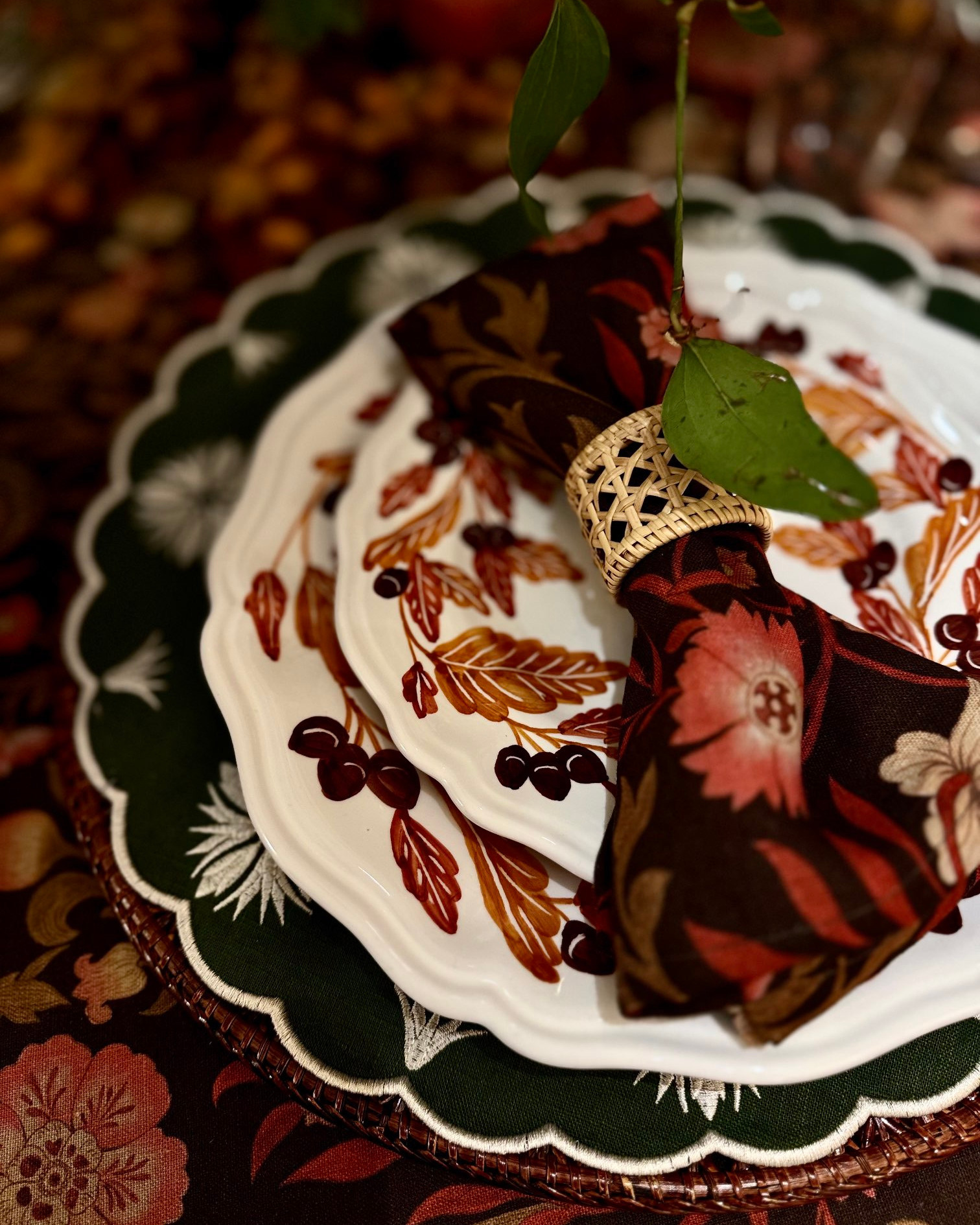
On top, a forest green placemat with a scalloped edge and white embroidery. Then a white plate painted with autumn leaves and dark berries. Then a printed napkin in rust and brown, held by a woven ring. Several of the plates are Ginori 1735, made in Italy for Cabana, with florals painted to look like watercolor.
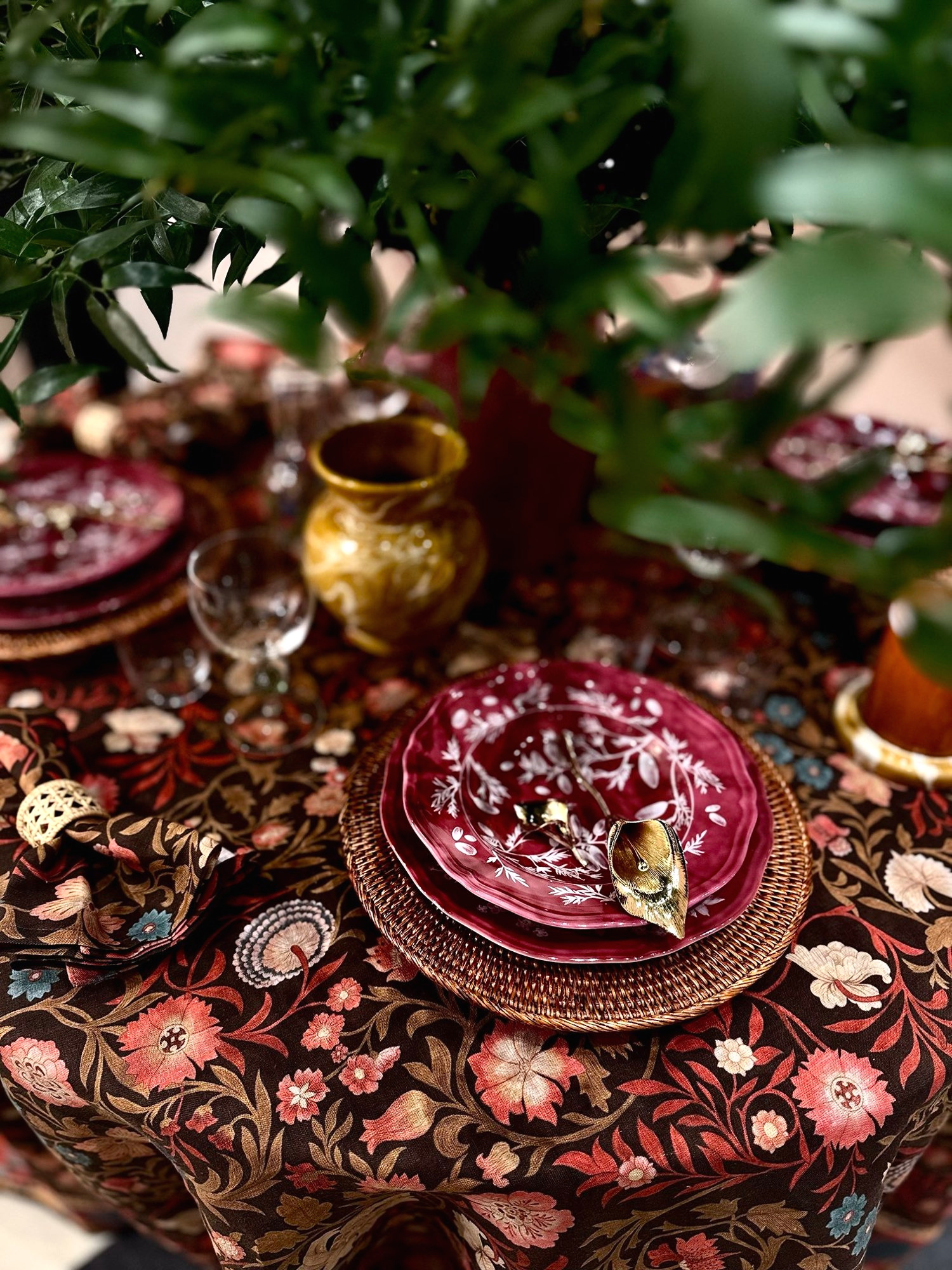
Nothing matches. Everything agrees. The trick is repetition. The rust of the napkin comes back in the plate. The green of the placemat comes back in the leaves. The brown runs underneath like a bass line. Color is the thread, and pattern is the conversation.
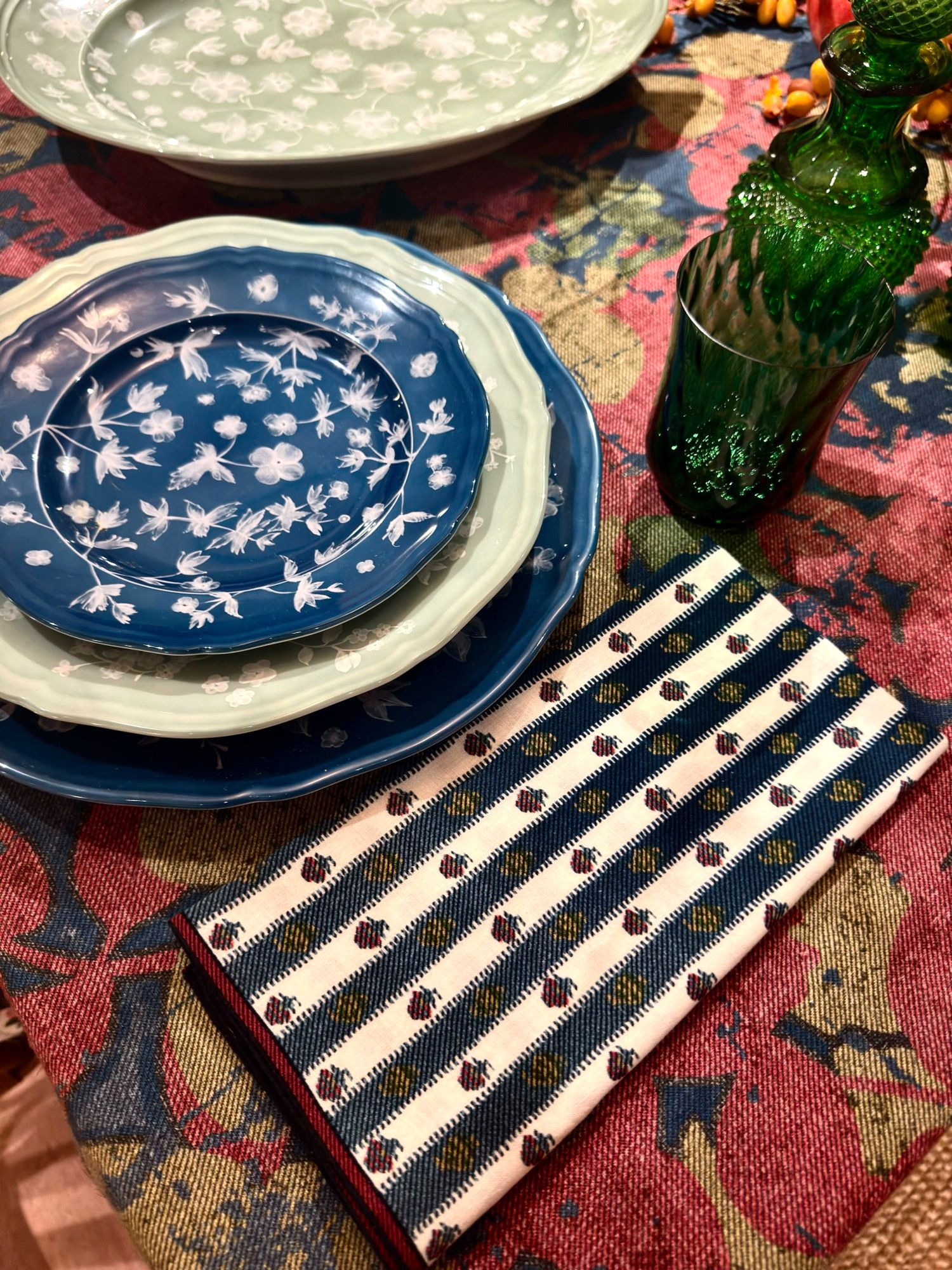
The same palette can tell a second story. Change to petrol blue plates painted with white flowers and a woven blue napkin with a paisley motif. The table turns cooler and a little more exotic. The pomegranates still glow at its heart.
I was born in Milan, where a table with no theater feels unfinished. Glass is the easiest place to start. Goblets painted with yellow blossoms and a fine green rim, set on tortoiseshell, look like something from a great-aunt’s cabinet. The good cabinet. Some of the glass came from Paul Arnhold, whose hand-blown pieces were part of the edit.
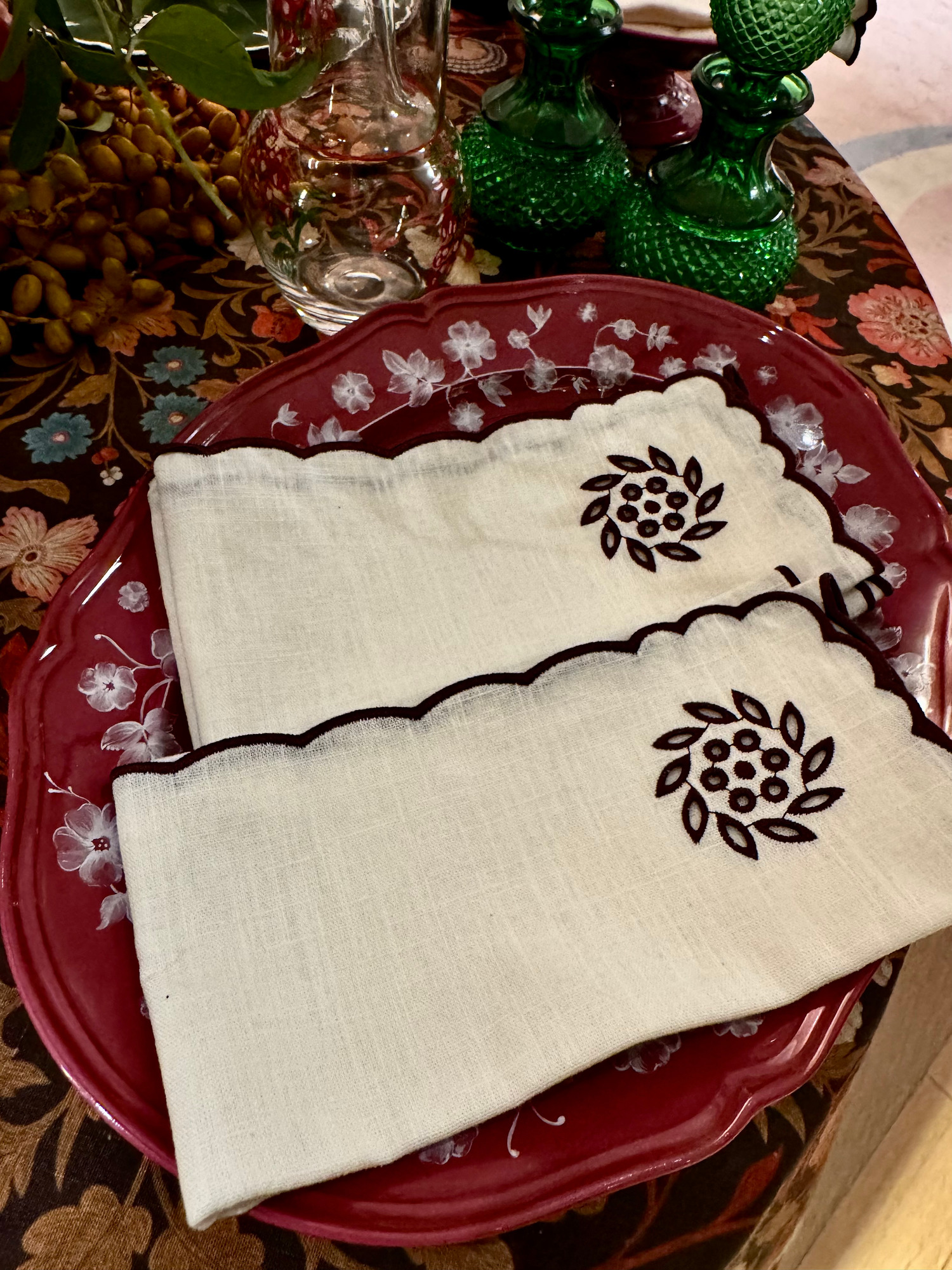
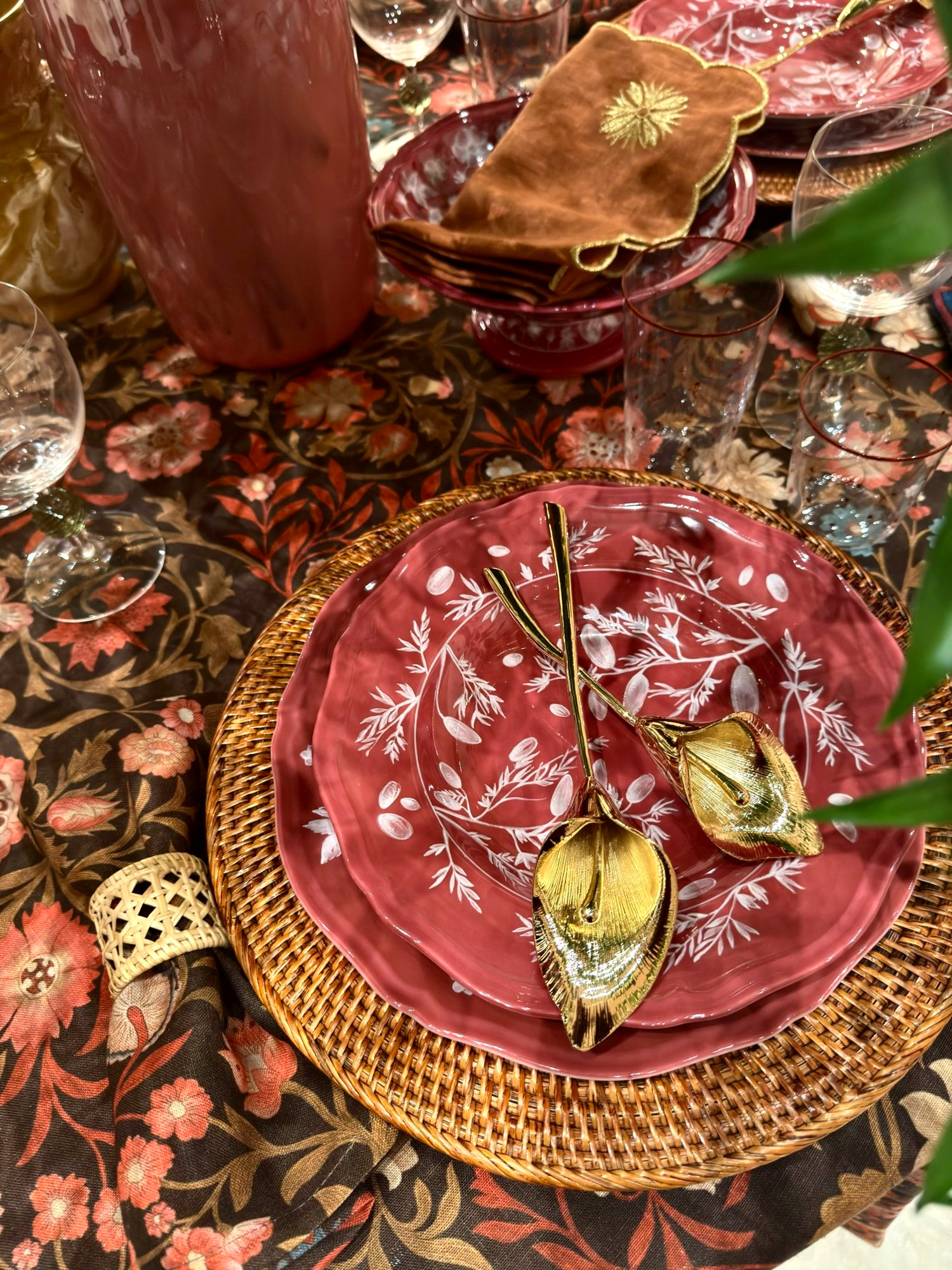
Add deep green glass and a few gold accents. Put burgundy next to blue next to green. It shouldn’t work, but it does. Burgundy plates painted in white, with gold servers shaped like calla lilies, show that one bold object can carry a whole place setting.
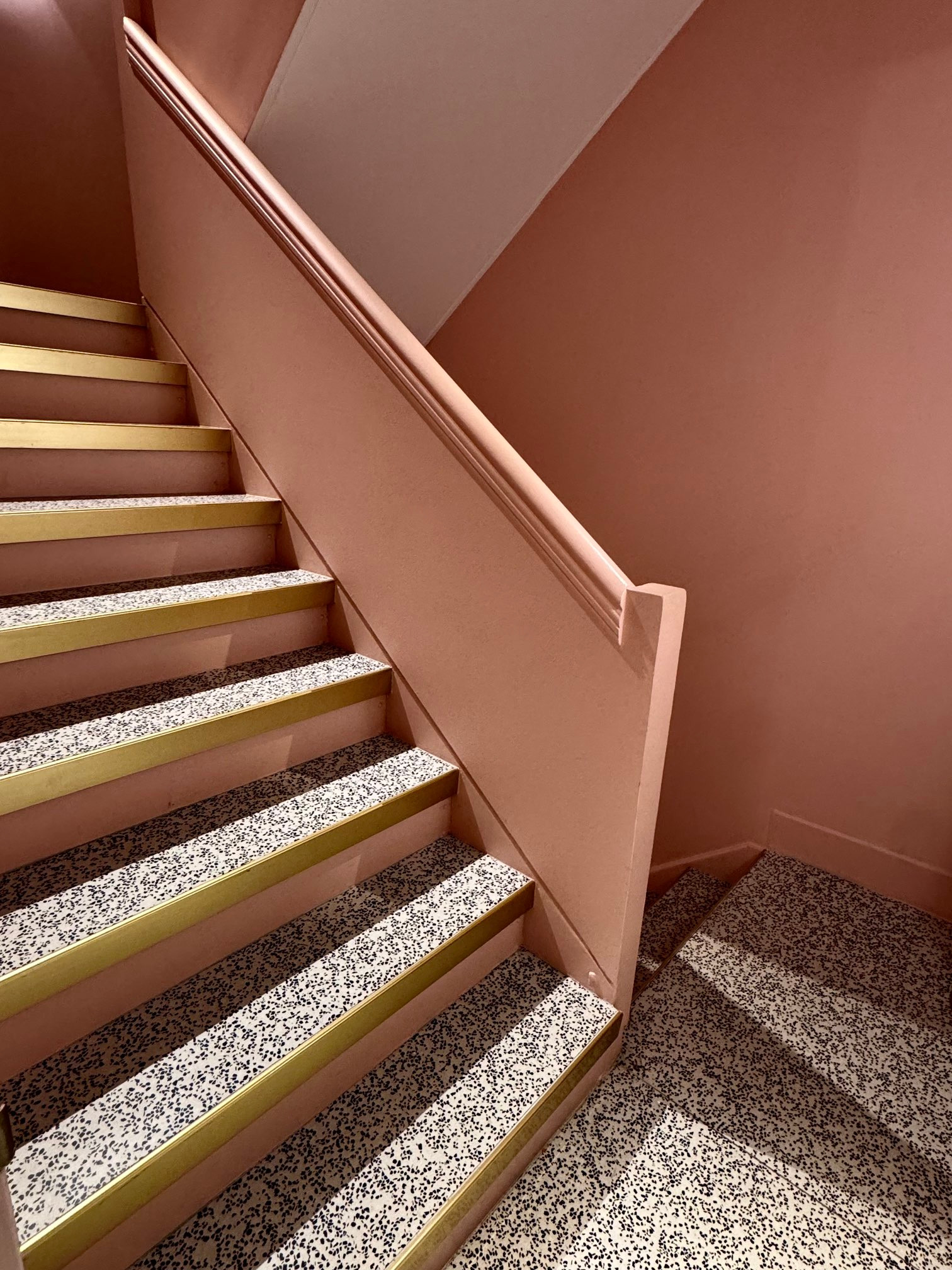
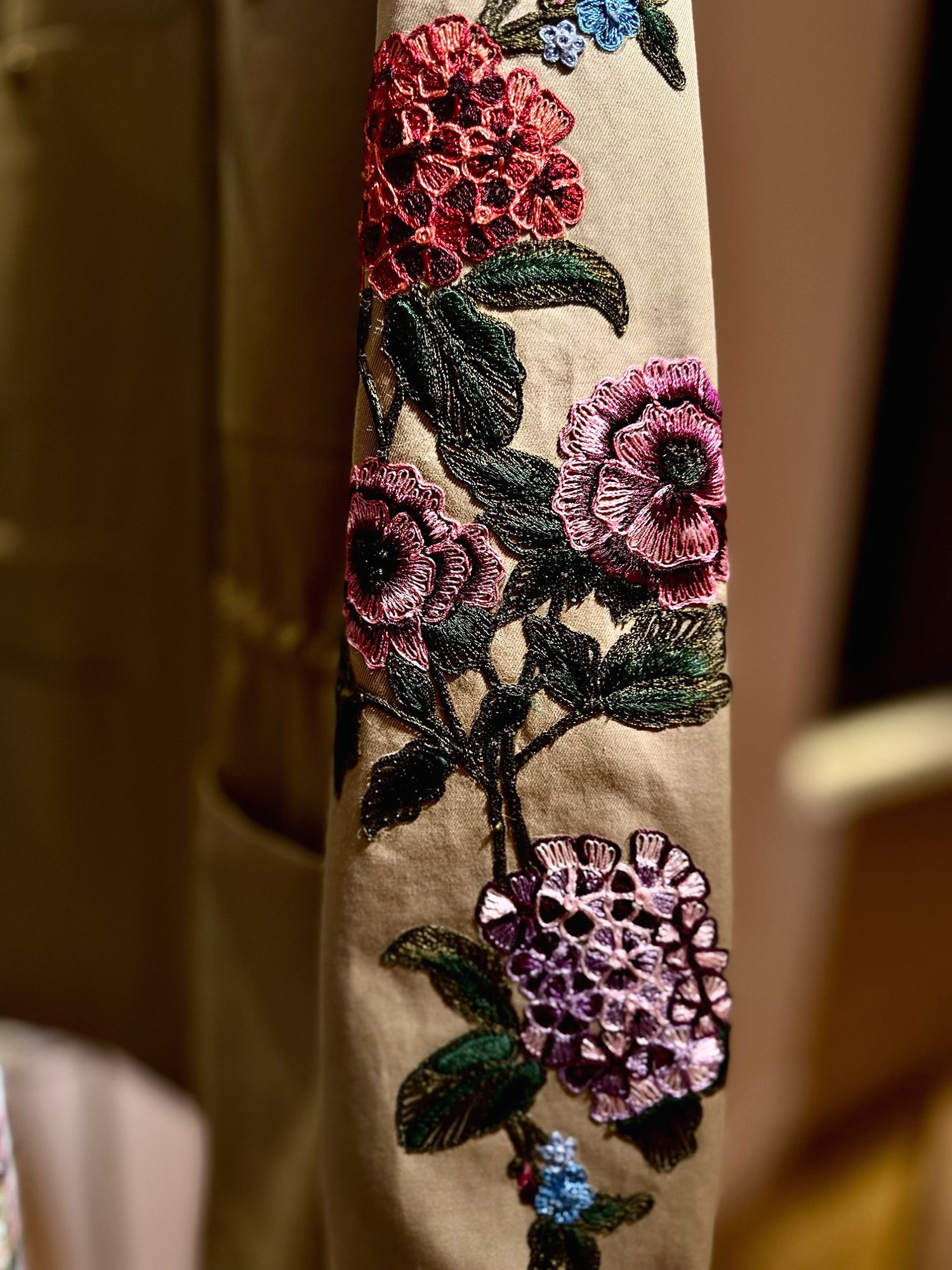
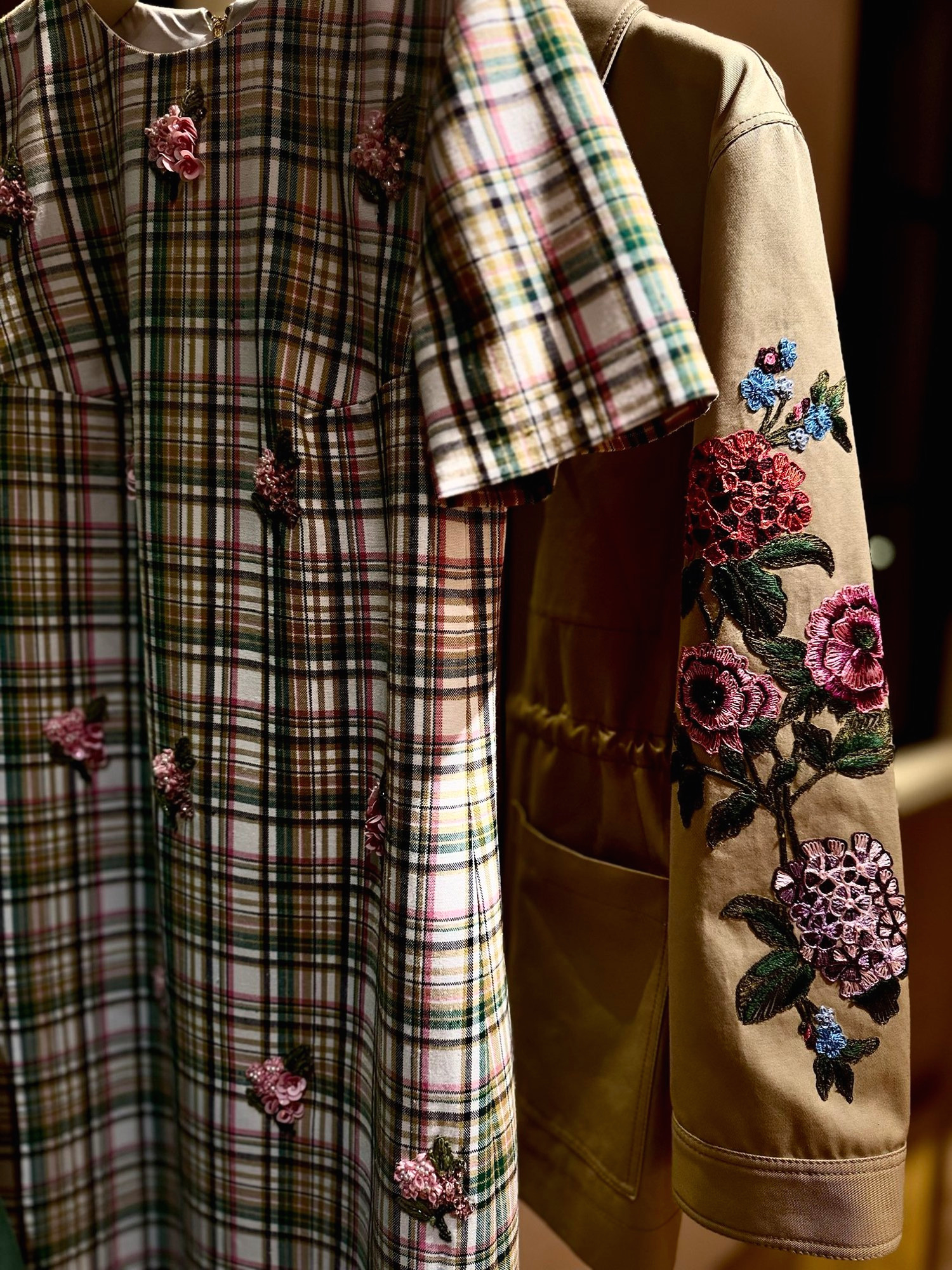
Fashion has always spoken the same language as the table. The pop-up lived inside the Carolina Herrera boutique, so the clothes became part of the setting: a plaid dress scattered with beaded flowers, and a trench with hydrangeas embroidered down the sleeve. That sleeve could have been a tablecloth border. Behind the clothes, a pink terrazzo staircase carried the palette beyond the table. The same pinks, the same deep greens, the same refusal to be quiet.
Every palette needs something to eat. This one comes from my cousin Selly’s Thanksgiving table, and it is the color of the mustard swatch.
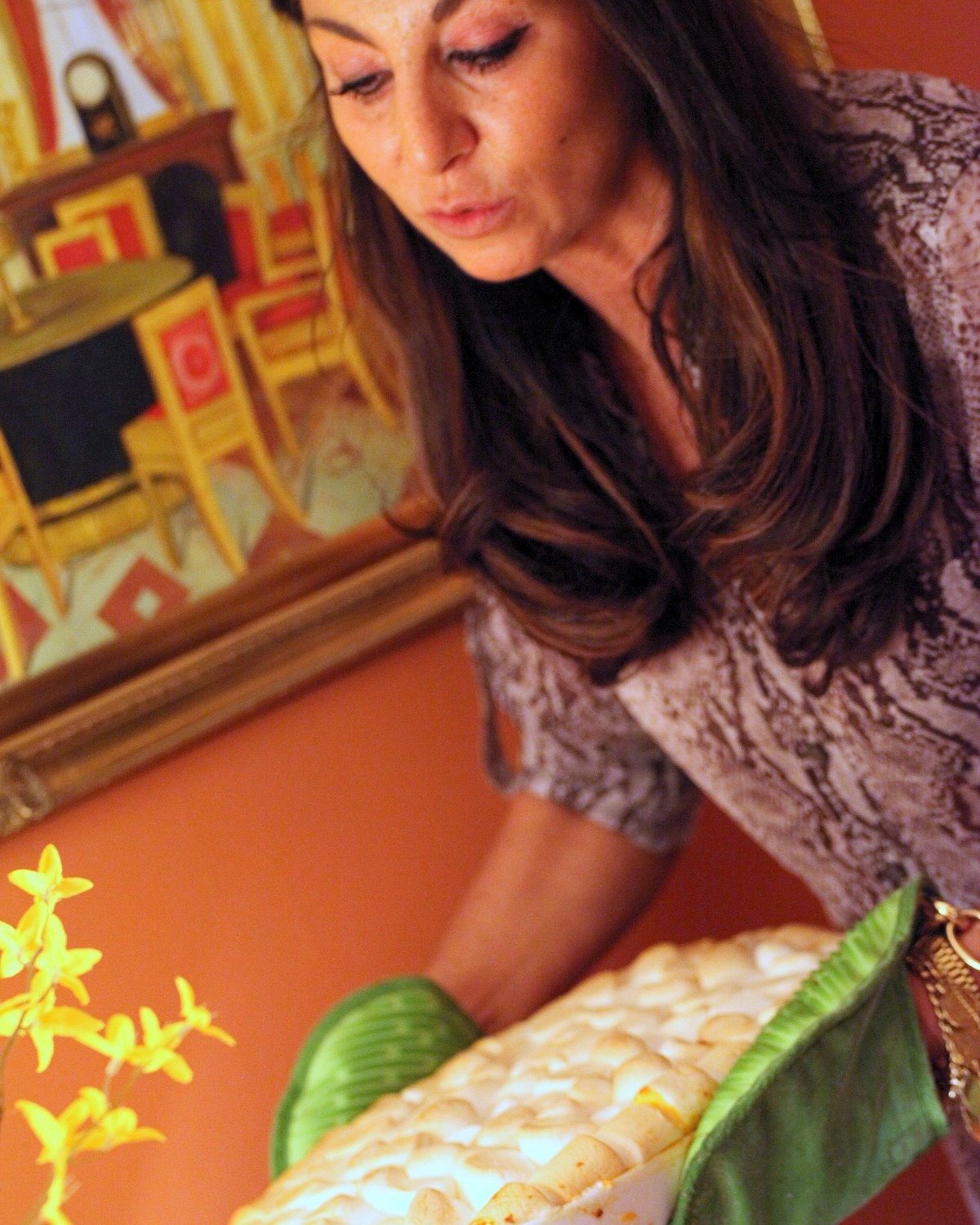
Cut a peeled butternut squash into 1-inch rounds. Toss with fresh rosemary, salt, pepper flakes and olive oil. Roast at 425°F for 25 to 30 minutes, until tender and golden. Top with marshmallows for the last 3 to 5 minutes, just until they brown.
The rest of Selly’s Thanksgiving is in Thanks for Giving.
After thirty years of designing rooms, I still believe the table is the most generous room in the house. It’s where people stay longer than they planned. Abundance isn’t about quantity. It’s the feeling that someone thought of everything, then added one more thing just for pleasure.
So fill the table. Light the candles. Let the patterns argue a little. Pour another glass. Nature has already given us the colors. The rest is hospitality.
The pieces from these tables, all in one place on my ShopMy.
For the table
For the linens
Photos: Joelle Maslaton Oster
Palette illustrations: Studio Joelle concept illustrations
Location: Central Park, New York
Selly’s Thanksgiving: Thanks for Giving

Joelle Maslaton Oster
Founder of Joelle Magazine and Studio Joelle, an interior design practice in New York. She writes on art, design and the places in between.
START A PROJECT
Read our Privacy PolicyAlso on Substack: Where Is Joelle?
This website uses cookies to improve your experience. We'll assume you're ok with this, but you can opt-out if you wish. Accept Read More