

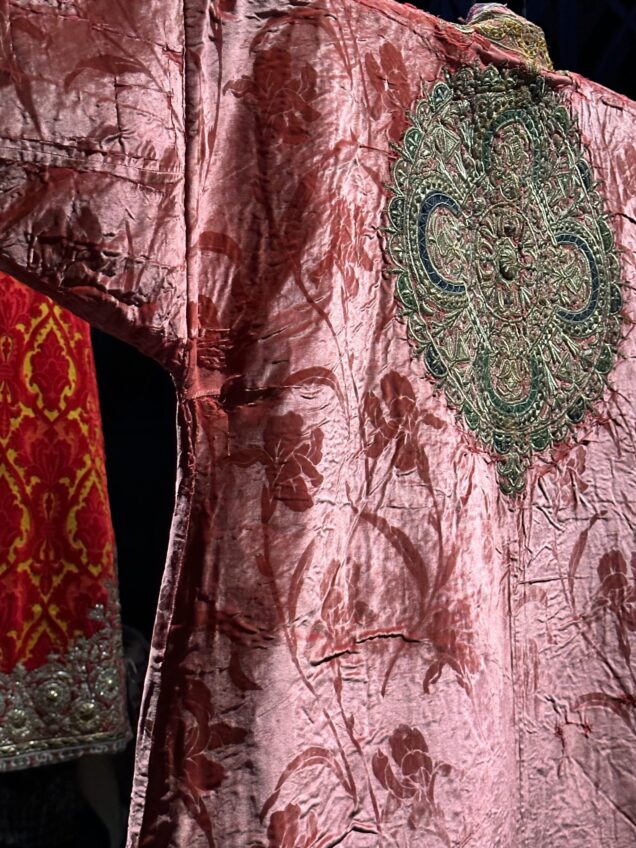
If you're looking to add color and craft to your home, the Samarkand trend is the perfect solution. Inspired by the ancient Uzbekistan city known for its stunning architecture, colorful bazaars, and intricate textiles, this trend incorporates ikat textiles to create bold and unique patterns. In 2022 and 2023, the Institut du monde arabe in Paris celebrated this heritage in the exhibition Sur les routes de Samarcande, merveilles de soie et d’or, a dazzling display of Uzbek ikats, robes and embroidered suzanis.


Ikat is a traditional fabric weaving technique that produces intricate geometric patterns and bold color combinations. Originating from countries like Uzbekistan, Indonesia, and India, ikat fabrics are created using a resist dyeing technique that produces unique patterns on the cloth. The Samarkand trend draws inspiration from the ikats produced in Uzbekistan, known for their bright and bold colors and intricate patterns.
The exhibition in Paris highlighted the cultural significance of the patterns and colors used in ikat textiles. Visitors were treated to a display of the intricate weaving techniques used to create these textiles, which are still produced by artisans today using traditional methods. The exhibition showcased the versatility of ikat fabrics, which can be used in a variety of ways to add visual interest and texture to your home interiors.If you're interested in incorporating Uzbekistan-inspired ikat textiles into your home decor, here are some tips to get you started:
Mix and match patterns: While ikat is a bold pattern on its own, it can also work well with other patterns. Mix and match ikat with florals, stripes, or geometric prints for a fun and eclectic look.
Go for a monochromatic look: If you're not ready to go all out with bold colors, consider incorporating ikat in a monochromatic color scheme. Choose a single color and use ikat fabrics in varying shades and patterns to create a cohesive look.
Use ikat in unexpected ways: Ikat doesn't have to be limited to traditional uses like pillows and curtains. Consider using ikat fabrics to cover a lampshade, create a table runner, or upholster a headboard.
6. Consider the texture: Ikat fabrics often have a slightly rough texture, which can add interest and depth to your decor. Consider pairing ikat with other textures, like a plush velvet sofa or a smooth leather chair.
Don't forget the floors: If you're really committed to the Samarkand trend, consider adding an ikat rug to your home. This will create a bold statement piece and tie your entire room together.
Incorporating Uzbekistan-inspired ikat textiles into your home decor is a great way to bring color and craft into your interiors. Whether you're starting small with throw pillows or going all out with an ikat rug, this trend is sure to add interest and texture to your home. With the right combination of patterns and colors, your home will be transformed into a beautiful and unique space inspired by Samarkand.
Exhibition: Sur les routes de Samarcande, merveilles de soie et d’or, Institut du monde arabe, Paris, 2022–2023
If you're looking to add color and craft to your home, the Samarkand trend is the perfect solution. Inspired by the ancient Uzbekistan city known for its stunning architecture, colorful bazaars, and intricate textiles, this trend incorporates ikat textiles to create bold and unique patterns. In 2022 and 2023, the Institut du monde arabe in Paris celebrated this heritage in the exhibition Sur les routes de Samarcande, merveilles de soie et d’or, a dazzling display of Uzbek ikats, robes and embroidered suzanis.
Ikat is a traditional fabric weaving technique that produces intricate geometric patterns and bold color combinations. Originating from countries like Uzbekistan, Indonesia, and India, ikat fabrics are created using a resist dyeing technique that produces unique patterns on the cloth. The Samarkand trend draws inspiration from the ikats produced in Uzbekistan, known for their bright and bold colors and intricate patterns.
The exhibition in Paris highlighted the cultural significance of the patterns and colors used in ikat textiles. Visitors were treated to a display of the intricate weaving techniques used to create these textiles, which are still produced by artisans today using traditional methods. The exhibition showcased the versatility of ikat fabrics, which can be used in a variety of ways to add visual interest and texture to your home interiors.If you're interested in incorporating Uzbekistan-inspired ikat textiles into your home decor, here are some tips to get you started:
Mix and match patterns: While ikat is a bold pattern on its own, it can also work well with other patterns. Mix and match ikat with florals, stripes, or geometric prints for a fun and eclectic look.
Go for a monochromatic look: If you're not ready to go all out with bold colors, consider incorporating ikat in a monochromatic color scheme. Choose a single color and use ikat fabrics in varying shades and patterns to create a cohesive look.
Use ikat in unexpected ways: Ikat doesn't have to be limited to traditional uses like pillows and curtains. Consider using ikat fabrics to cover a lampshade, create a table runner, or upholster a headboard.
6. Consider the texture: Ikat fabrics often have a slightly rough texture, which can add interest and depth to your decor. Consider pairing ikat with other textures, like a plush velvet sofa or a smooth leather chair.
Don't forget the floors: If you're really committed to the Samarkand trend, consider adding an ikat rug to your home. This will create a bold statement piece and tie your entire room together.
Incorporating Uzbekistan-inspired ikat textiles into your home decor is a great way to bring color and craft into your interiors. Whether you're starting small with throw pillows or going all out with an ikat rug, this trend is sure to add interest and texture to your home. With the right combination of patterns and colors, your home will be transformed into a beautiful and unique space inspired by Samarkand.
Exhibition: Sur les routes de Samarcande, merveilles de soie et d’or, Institut du monde arabe, Paris, 2022–2023

Joelle Maslaton Oster
Founder of Joelle Magazine and Studio Joelle, an interior design practice in New York. She writes on art, design and the places in between.
START A PROJECTMORE FROM JOELLE MAGAZINE
This website uses cookies to improve your experience. We'll assume you're ok with this, but you can opt-out if you wish. Accept Read More